Research & Writing
Academic Publications: Peer-Reviewed Journals
-

Social Action Art Therapy As An Intervention For Compassion Fatigue
This study evaluated the effectiveness of a social action art therapy session to address symptoms of stress and compassion fatigue in counsellors working in domestic violence (DV) and sexual assault (SA) services. Participants were adult women (N = 30) who work with client survivors of DV and SA. Participants participated in three groups based on their workplace, and were asked to create art for a group peace pole. The peace pole has currency within the DV support community as a symbol of hope and safety. After creating individual artworks, each member glued their canvas squares onto the peace pole to create a unified group piece of art. The Compassion Fatigue Self-Test was used to measure compassion fatigue, and the Psychological Stress Measure 9 provided information regarding pre- and post-measures of symptomology changes. The results supported the hypothesis that participation in a social action art therapy-based session could significantly reduce stress.
-
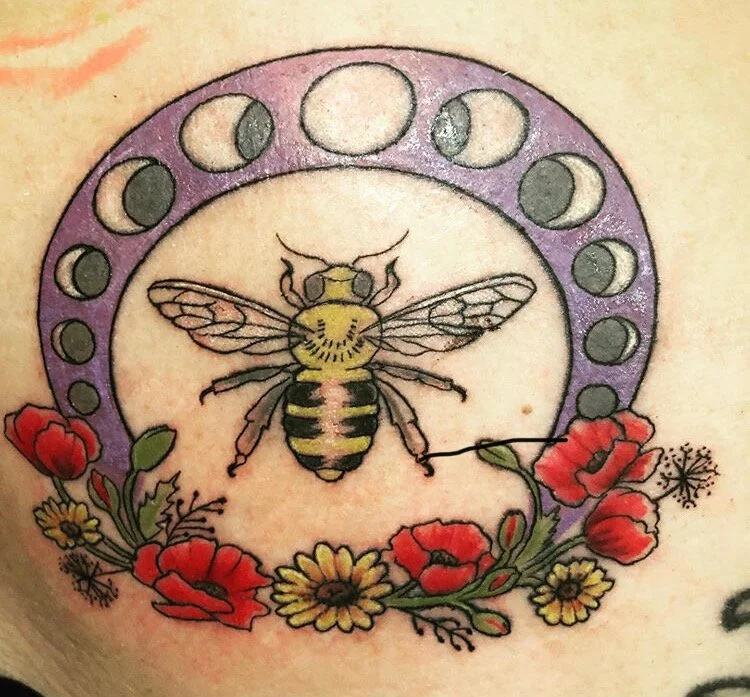
Inked Identity: An Autoethnographic Exploration of Tattoos as Body Reclamation, Gender Affirmation, and Healing
This autoethnographic study examines a personal journey of using tattooing as a creative modality to reclaim my body, affirm my gender identity, and heal from past trauma. Drawing on detailed blog entries (2017-2022) and relevant literature in trauma, art therapy, and Queer embodiment, the study weaves narrative vignettes with academic analysis. Thematic sections illustrate how tattoos became a powerful form of agency: turning “invisible injury into a visible mark” to recover ownership of my body, inscribing a living record of my gender transition, and transforming suffering into “positive narrative coping” through art. Throughout, reflexively connect these experiences to broader theory, noting that for many survivors and Queer individuals, tattoos provide “reclamation and anti-normative healing” against stigma. Implications for creative arts therapies are discussed: therapists are encouraged to honor clients’ tattoo narratives as embodied art with therapeutic value. This study contributes new insight into how tattooing, an often-overlooked art form, can function as a profound tool for empowerment and meaning-making in trauma-informed, gender-affirming therapeutic practice.
-

Mannequin-Based Artmaking as Queer Embodied Autoethnography
Queer and gender-diverse individuals often navigate intersecting experiences of trauma, digital harassment, and sociopolitical marginalization that profoundly shape embodied identity. Arts-based autoethnography offers a valuable methodology for examining these experiences through material, symbolic, and somatic processes. This study explored how mannequin-based artmaking served as an embodied site for engaging with Queer identity, integrating trauma, and reconstructing the self. Using an autoethnographic design, I undertook a two-year process of modifying life-sized mannequins through cutting, reconstructing, painting, and layering. Data sources included reflective journals, video documentation of somatic and emotional responses, and photographic records of sculptural progression, which were analyzed using reflexive thematic analysis informed by Queer, trauma-informed, and embodied frameworks. Four themes emerged: (1) transformation of gender presentation, (2) development of a symbolic material vocabulary, (3) movement from fragmentation toward subtle integration, and (4) resilience and post-traumatic growth expressed through somatic regulation and creative coherence. Findings suggest that mannequin-based artmaking can serve as a generative form of embodied inquiry into the complexities of Queer identity and trauma. Although this work was undertaken as a personal exploration rather than clinical practice, it highlights how three-dimensional, embodied art processes can illuminate lived experiences shaped by oppression and digital violence, with meaningful implications for future art therapy practice, particularly in work addressing identity, trauma, and body-based distress. -

Art Therapy with Jungian Archetypes and Collage for Queer Body Image Healing
This practice paper explores the integration of Jungian archetypes and collage-based tarot-style imagery in art therapy to support body image healing for queer clients. It synthesizes recent scholarship on LGBTQ+ affirmative and trauma-informed creative arts approaches, noting that minority stress elevates body dissatisfaction in sexual and gender minorities (Santoniccolo et al., 2025). We describe how symbolic archetypes can be evoked through intuitive collage to externalize inner narratives and foster embodiment. Tarot-inspired card-making is presented as a method to personalize archetypal themes. Emphasis is placed on culturally responsive, trauma-sensitive care that honors each client’s identity and lived experience (Van Den Berg & Anderson, 2023). A composite clinical vignette illustrates a collage exercise for a nonbinary client’s body image.
Academic Publications: Book Chapters
-
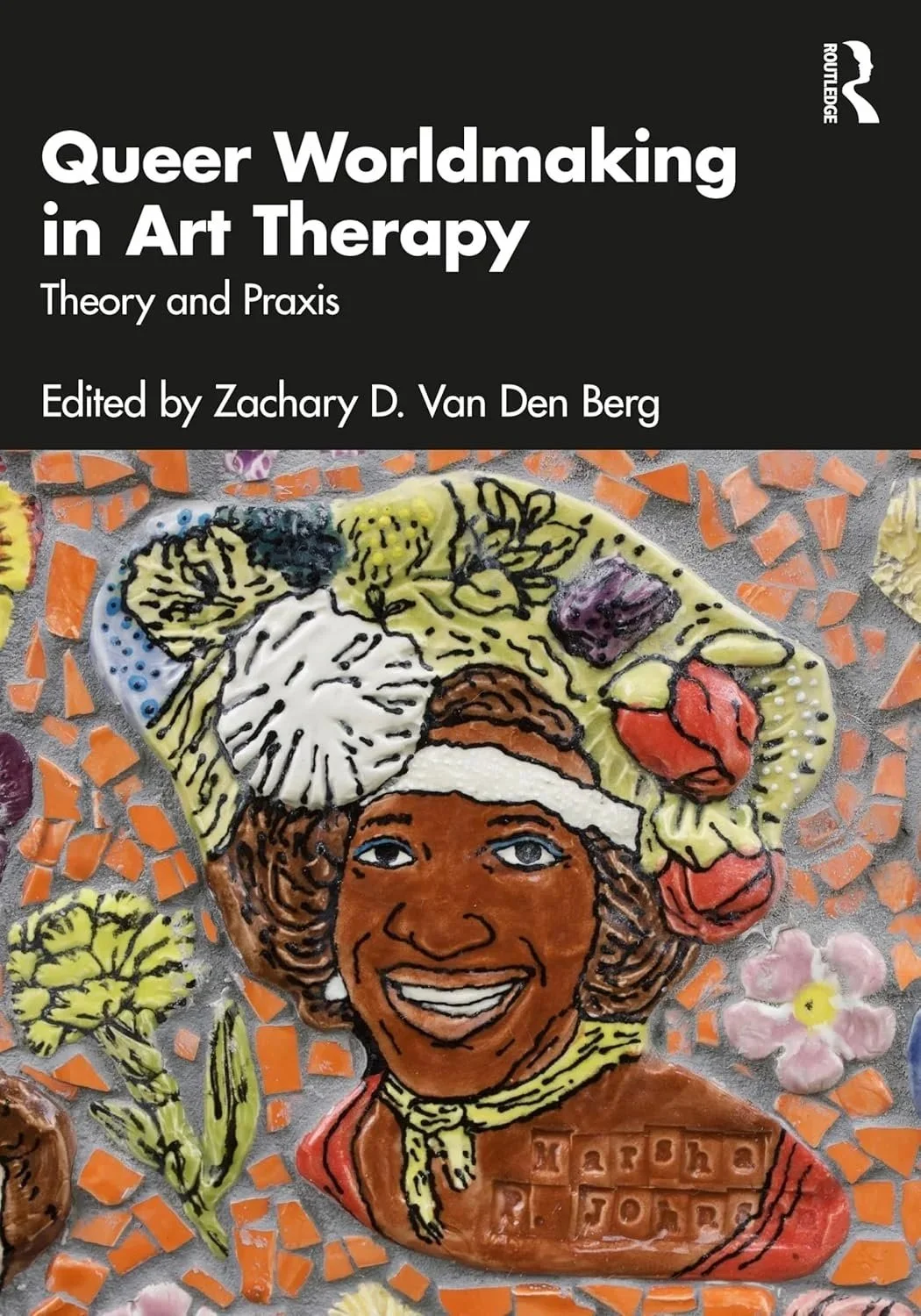
Queer Worldmaking in Art Therapy- Chapter on Body Justice and Creating Queer Worlds in Eating Disorder Treatment Using Art Therapy
Eating disorders among queer identities are statistically higher than heterosexual or cisgender counterparts in the population; Parker and Harbinger (2020) note that 54% of LGBT adolescents have been diagnosed with an eating disorder during their lifetime, with an additional 21% suspecting that they had an eating disorder at some point during their lifetime (1). Thus, it is not uncommon in our practices to have many individuals identifying along the LGBTQIA spectrum as an intersecting factor in their experience of an eating disorder.
-
Narrative Ownership, Storytelling, and the Politics of Voice
To be published in the forthcoming book: Operationalizing Trauma-Informed Care Through a Social Justice Lens through IGI Global Scientific Publishing.
This chapter examines storytelling in trauma contexts as a political practice shaped by power, history, and social location rather than an inherently therapeutic act. Challenging dominant assumptions that healing requires disclosure, it shows how compelled or premature storytelling can reproduce harm, particularly for marginalized survivors. Drawing on trauma studies, decolonial theory, and epistemic justice, the chapter introduces narrative sovereignty as an ethical framework that affirms survivors’ rights to author, withhold, revise, or reclaim their stories on their own terms, including through silence, art, ritual, or collective action. It distinguishes between internal trauma integration and external narration, emphasizing consent, autonomy, and harm reduction as core principles of ethical story work. Beyond individual therapy, the chapter centers collective storytelling practices such as art activism, zines, and community archives- as sites of resistance and healing that situate trauma within structural and historical contexts.Keywords: Epistemic Justice, Trauma-Informed Care, Harm Reduction, Decolonial Theory, Expressive Arts Therapy, Community Archives, Art Activism, Consent, Autonomy, Narrative Therapy, Story Telling
-

Heartwork: Art as Embodied Social Work Practice
Wednesdae has a chapter coming out in Heartwork: Art as Embodied Social Work Practice. This book will highlight and uplift epistemic labor and innovation from members of marginalized communities as they work collectively to meet their social needs through artistic and creative modalities. The volume will foreground the bodymindspirit as a site of knowledge through which praxis is understood and engaged as intrinsic to care work, which is done through a Love Ethic. bell hooks (1999) describes a Love Ethic as: utilizing all dimensions of love – care, commitment, trust, responsibility, respect, and knowledge – in daily life through learning and cultivating awareness of self and others, to provide care to self and others based on what is needed at any given time.
-

Arts in Social Work Education: A Praxis of Marronage and Love
Wednesdae will have a chapter coming out in Arts in Social Work Education: A Praxis of Marronage and Love.
“Arts in Social Work Education: A Praxis of Marronage and Love will center arts-based and creative modalities in teaching, training, and mentorship. In doing so, it aims to disrupt hegemonic practices that position clinical, medical, quantitative, and positivist Ways of Knowing as the ‘gold standard’ by which social work community members are seen as deserving enough to participate in the profession. Moreover, the volume will highlight how inviting arts-based and creative knowledge into learning processes will support the profession’s longevity and evolution.” -
Artivism + Advocacy and the Arts
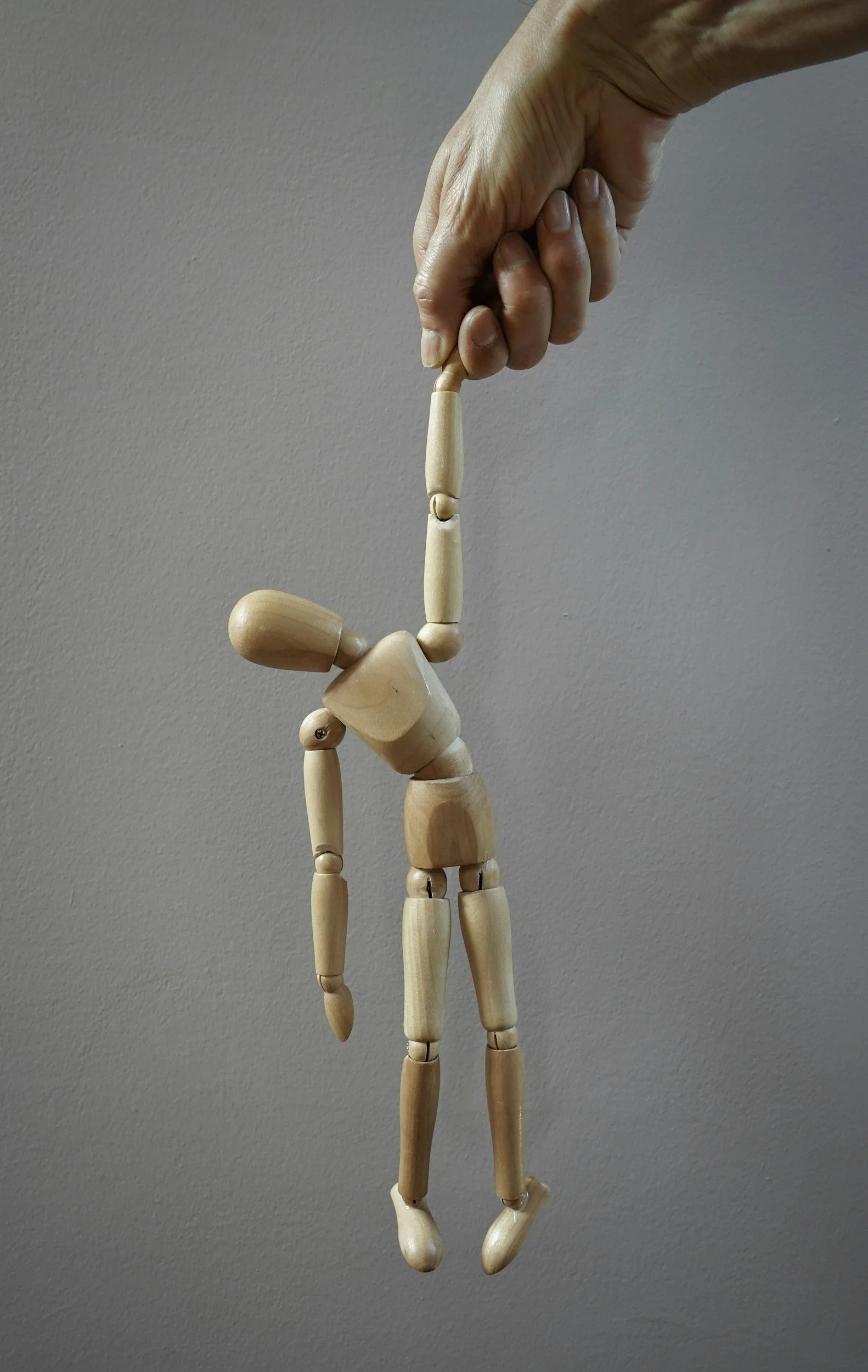
Mannequin Revolutions: Found-Object Art and Bodily Autonomy for Queer Healing for the Routledge book, Artivism + Advocacy and the Arts.
Description: Artivism + Advocacy and the Arts will explore how creative expression, artisticresistance, and cultural practice serve as powerful tools for advocacy, healing, and social
transformation. At a time when communities are confronting overlapping crises, this volume
brings together contributors with diverse backgrounds in the arts who use creativity as a catalyst
for advocacy, healing, and structural and systemic change. The volume positions artivism not
only as symbolic resistance but as a lived, embodied practice that shapes public discourse,
challenges harmful narratives, activates agency, democratizes knowledge production, and
expands possibilities for liberation and healing.
-
Art Therapy Applications for Adolescent Treatment: Creative Approaches Across Youth Settings.
Chapter 1: Art Therapy with Adolescents Seeking Gender-Affirming Care
Chapter 11: Art Therapy with Adolescents Diagnosed with Eating Disorders and Body Image Issues